
Diesel Spill Response: First Actions That Work
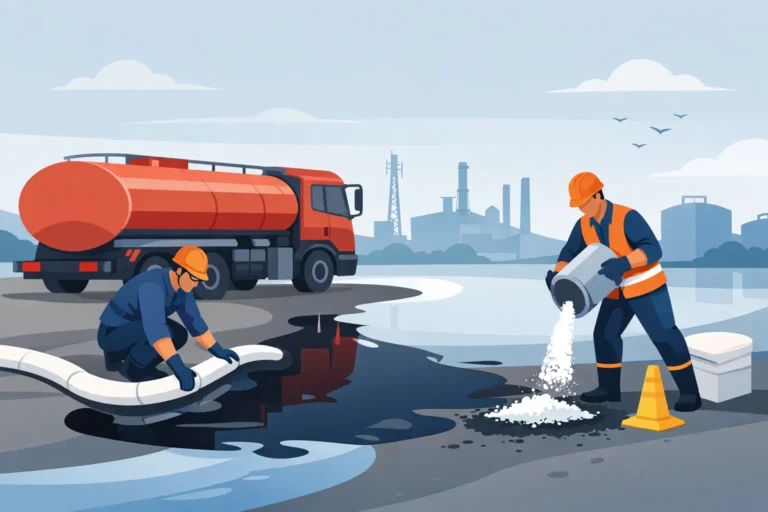
Diesel spill response starts with the right actions and equipment. Protect people, contain fuel, recover safely, and prepare your facility for the event.
Diesel spill response starts with the right actions and equipment. Protect people, contain fuel, recover safely, and prepare your facility for the event.
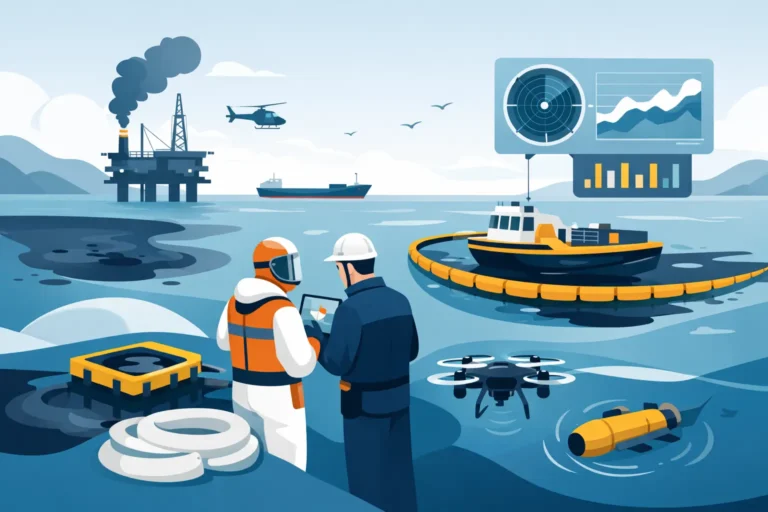
Oil spill response trends are reshaping how marine and industrial teams plan, equip, and deploy faster, safer containment and recovery during operations.
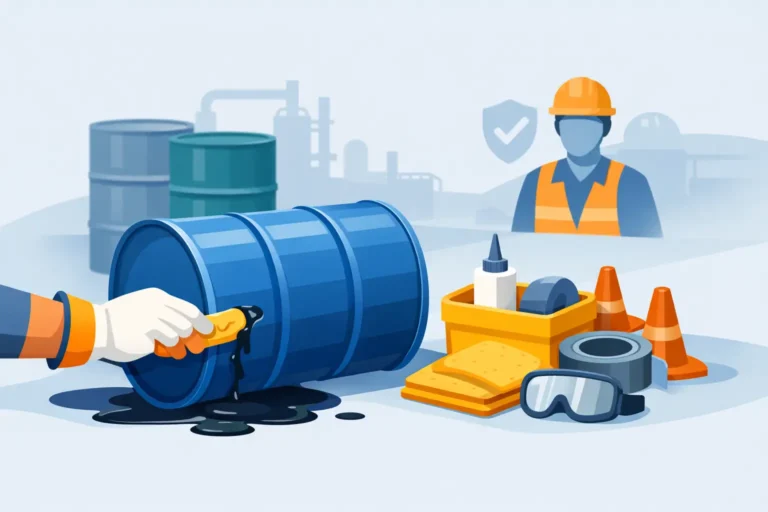
Learn how to seal leaking drums safely, contain spills, select compatible repair materials, and decide when a damaged drum must be replaced immediately.

Learn how to use portable bunds to contain leaks during drum handling, maintenance, and emergency response while protecting floors, drains, and compliance.

Marine environmental compliance trends are raising expectations for spill prevention, vessel readiness, documentation, and response equipment across ports.

Improve drum decanting safety with practical controls for chemical transfers, spill prevention, grounding, PPE, and emergency readiness at your site daily.

Learn how to store chemical waste safely with compatible containers, clear labels, segregation, secondary containment, inspections, and disposal planning.

Find the best marine pollution barriers for oil spills, debris, and runoff. Compare boom types, deployment needs, and buying factors for fast response.

Learn where to place eyewash stations for fast emergency access, compliant coverage, and safer chemical-handling areas across your facility on site.

Improve solvent absorbent compatibility with practical selection guidance for pads, socks, and granules that support safer, faster spill response plans.